
|
The European School is targeted particularly at students in experimental HEP who are in the final years of work towards their PhDs. Other schools, such as the CERN-FNAL Hadron Collider School may provide more appropriate training for young postdocs in experimental HEP, PhD students who have already attended the European School, and senior PhD students in HEP phenomenology. It should be noted that some pre-knowledge of the subjects is necessary in order to be able to profit fully from the lecture courses. Demand for attendance at the European Schools exceeds the number of available places, so a competitive selection is made. Preference is given to students who have connections with CERN and JINR member states either because of their nationality, or because of their institutional affiliation, or because they are involved in an experimental programme at a laboratory located in one of the member states. Nevertheless, applications from other geographical areas will be considered. One or two students from developing countries could be considered for financial support. |


L’Università degli Studi della Basilicata, assieme all’Istituto Nazionale di Fisica Nucleare (INFN), è riuscita a portare a Maratea la più prestigiosa scuola europea di fisica fondamentale.
Il CERN, l’Organizzazione Europea per la Ricerca Nucleare, il più grande laboratorio di fisica delle particelle elementari e tra i più prestigiosi al mondo, in collaborazione con il JINR di Dubna, organizza ogni anno in Europa una scuola internazionale di fisica della particelle elementari.
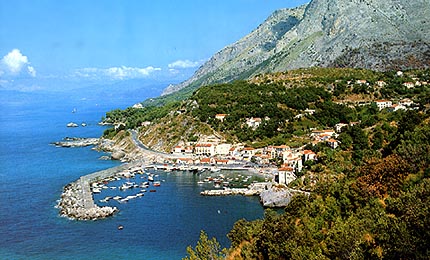
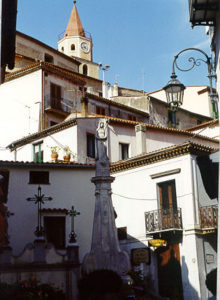
L’edizione della scuola per il 2018, che torna in Italia dopo 24 anni, si terrà a Maratea dal 20 giugno al 3 luglio p.v. ed ospiterà circa 100-120 tra i più brillanti e promettenti studenti di dottorato in fisica provenienti da tutto il mondo.
Il supporto della Rettrice, Prof.ssa Aurelia Sole, e del Presidente dell’INFN, Prof. Fernando Ferroni, nonchè del Dott. Luca Lista, responsabile italiano dei rapporti con lo staff CERN, sono stati fondamentali per ottenere questo importante risultato che attesta la Basilicata come sede culturale anche nel campo della ricerca scientifica fondamentale a livello internazionale.

UNIBAS: http://portale.unibas.it/site/home.html
INFN: http://home.infn.it/it/
CERN: https://home.cern/
ESHEP2018: http://physicschool.web.cern.ch/…/ES…/ESHEP2018/default.html